Uruguay —
Small country, singular wines
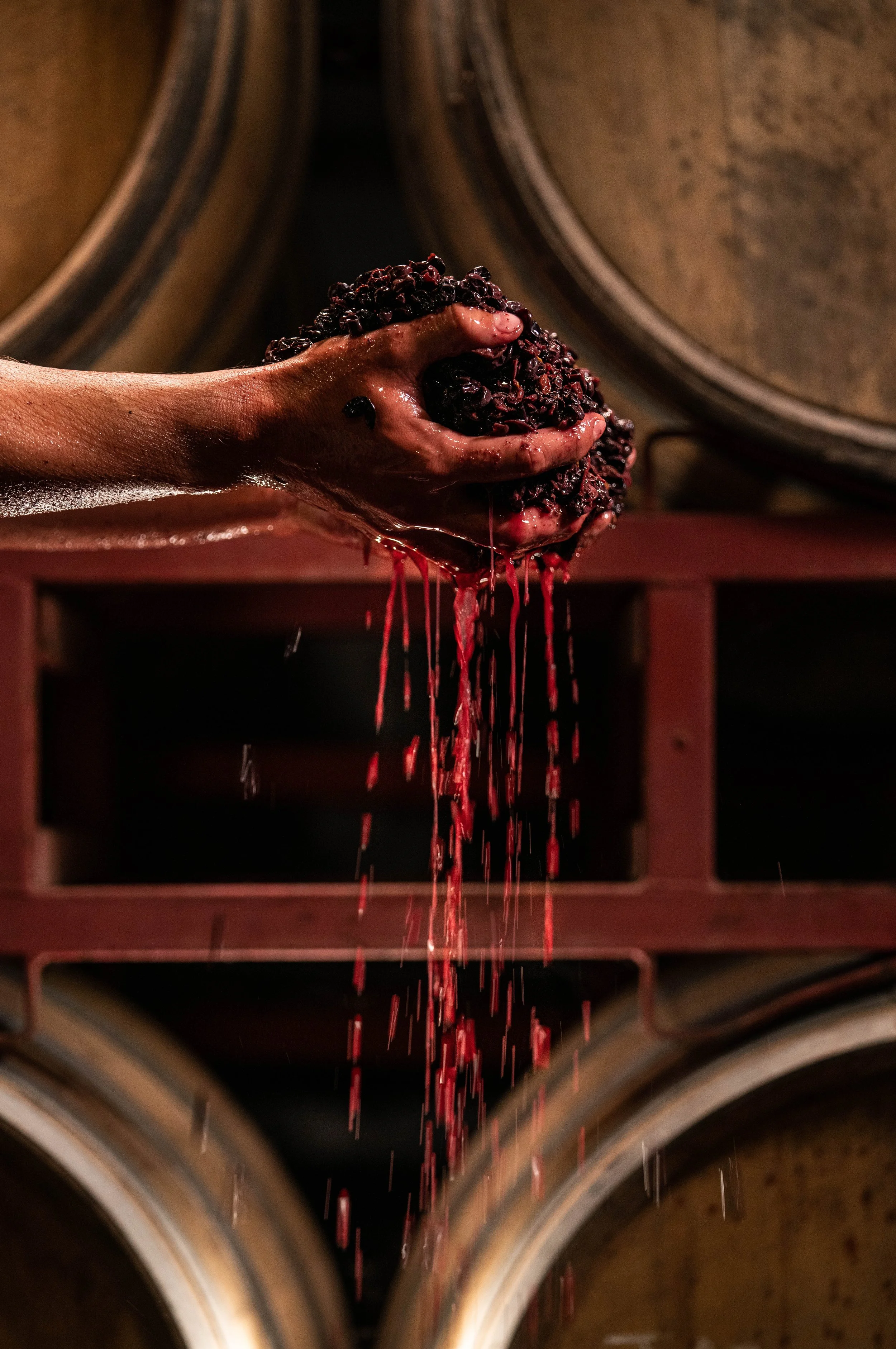
We work with two producers who capture Uruguay's range from opposite directions. Bodega Pablo Fallabrino, one of the country's most respected winemakers, has spent his career pushing boundaries — he pioneered minimal intervention winemaking in Uruguay, and his wines carry that experimental, hands-off spirit. Marichal takes the more classic route: polished, contemporary winemaking with real precision, though their Creatura range shows they're not afraid to push a little themselves. Together, they show Uruguay not as a single note but as a genuine range — from bold, exploratory reds to bright, saline whites, with plenty still being discovered in between.
Wine here grows out of tradition and reinvention at once — and few wine countries wear that tension as naturally as Uruguay.
It's a tiny wine nation with an outsized personality, shaped by the meeting of the Río de la Plata and the Atlantic along its southern coast. That maritime influence is everywhere in the glass: cooling breezes, humidity, and mineral-laced soils that give the wines a natural freshness and balance rarely found at this latitude.
For years, Tannat was the whole story — the grape that found its true expression here, trading Old World structure for New World depth: bold, velvety reds with a fruit intensity that owes as much to Uruguay as to their Basque origins. That story still holds. But the fastest-moving chapter right now is Albariño. From barely a hectare in 2021 to close to a hundred today, it's the variety producers can't stop planting — coastal, saline, electric with acidity, and proof that this small country is still finding new ways to surprise.
-
![]()
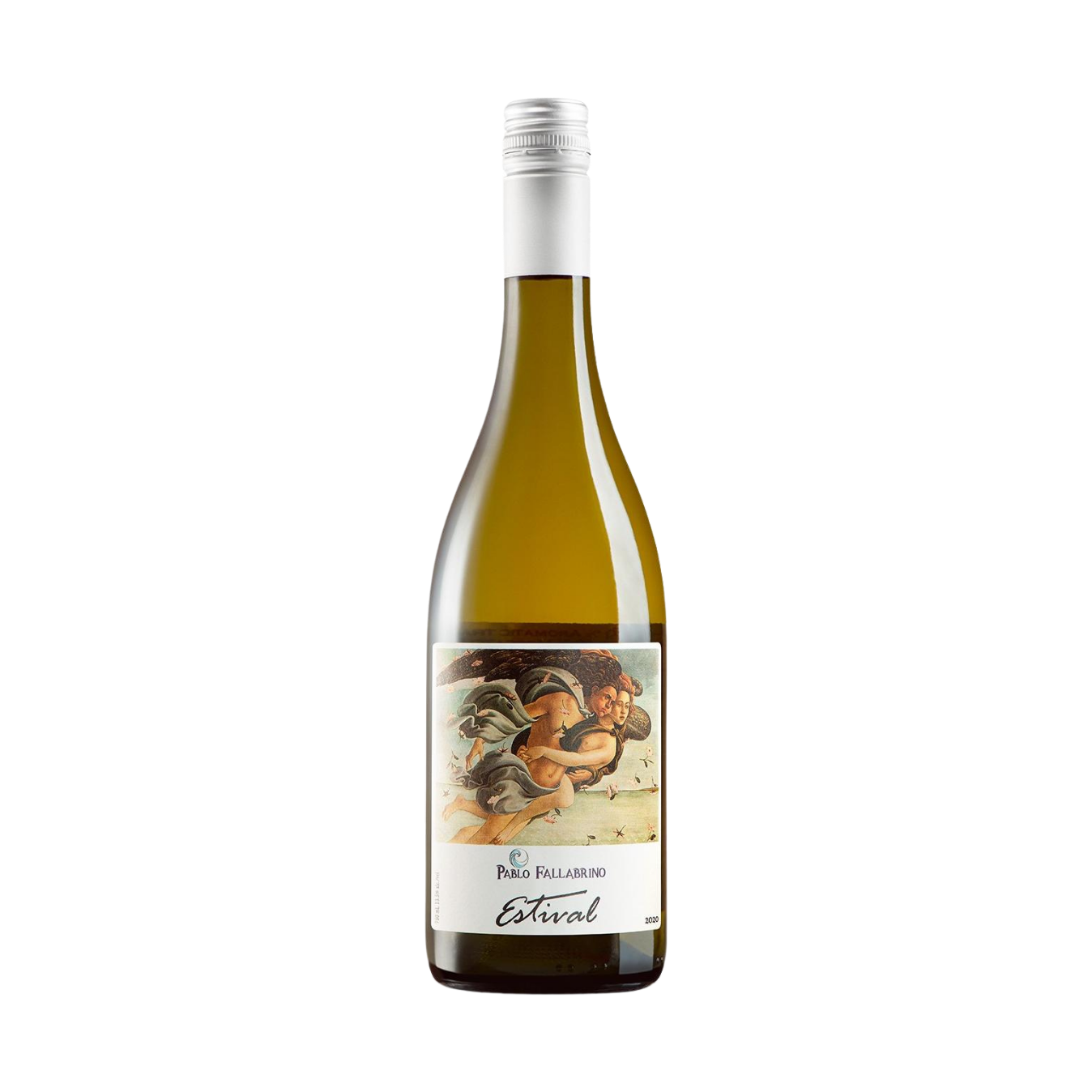
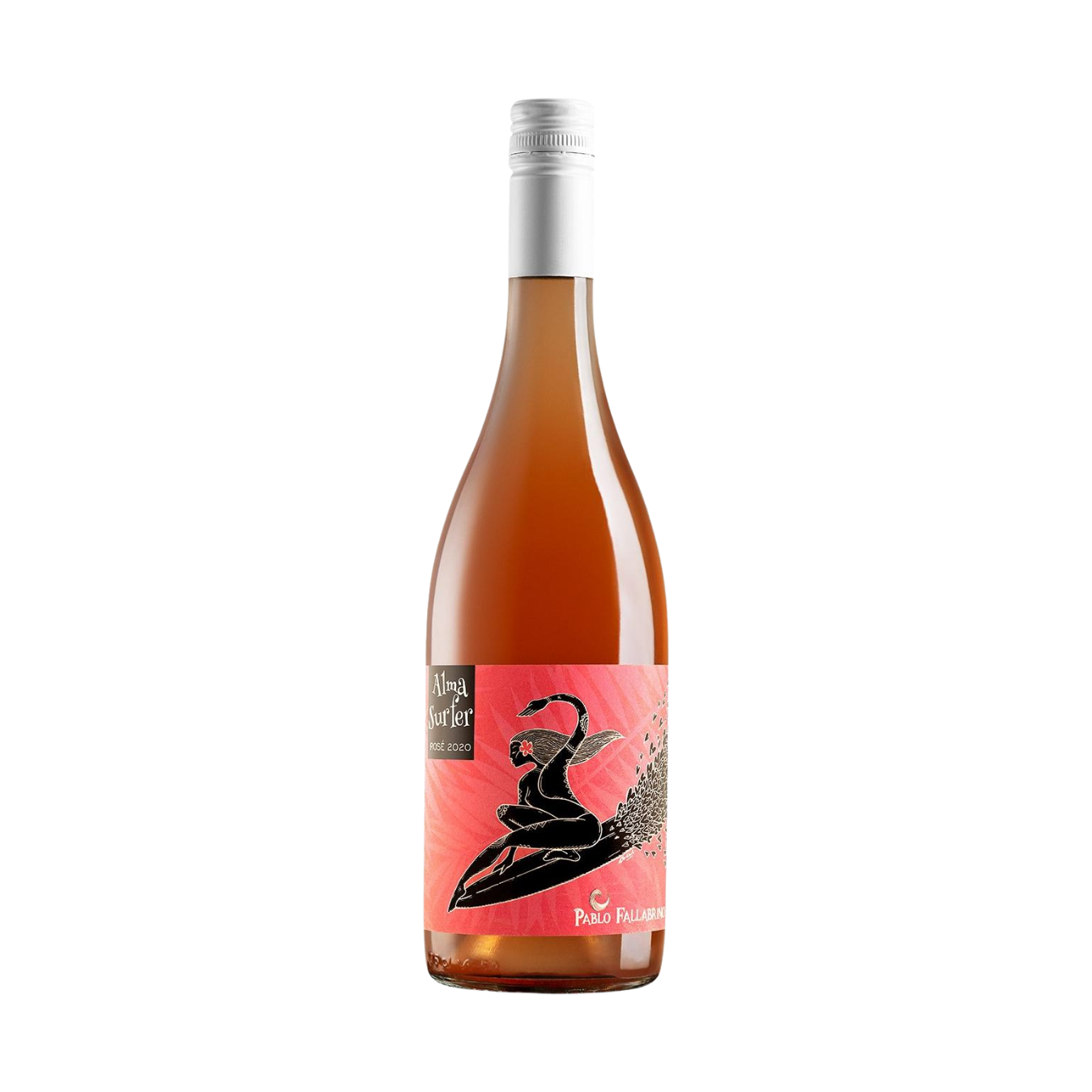
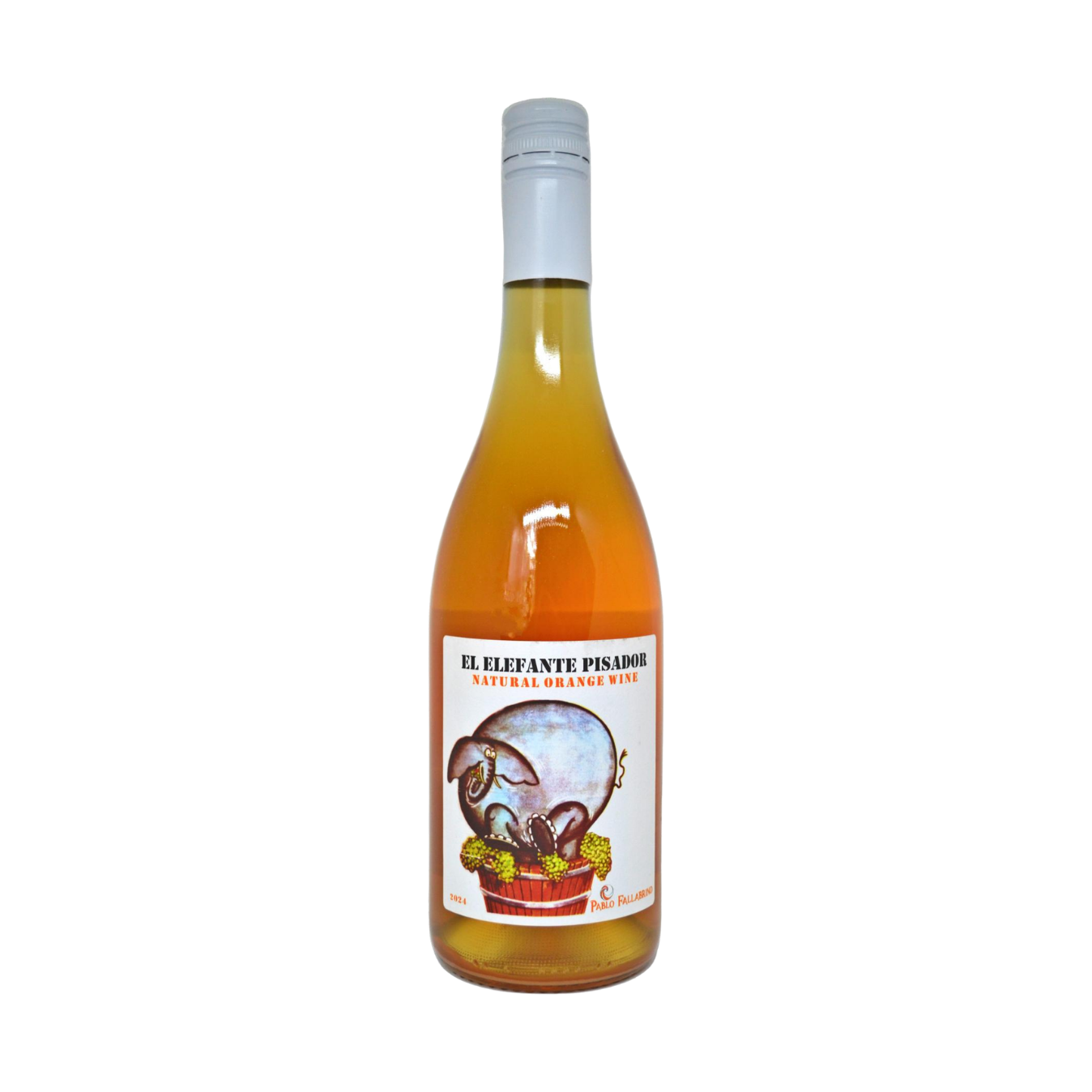
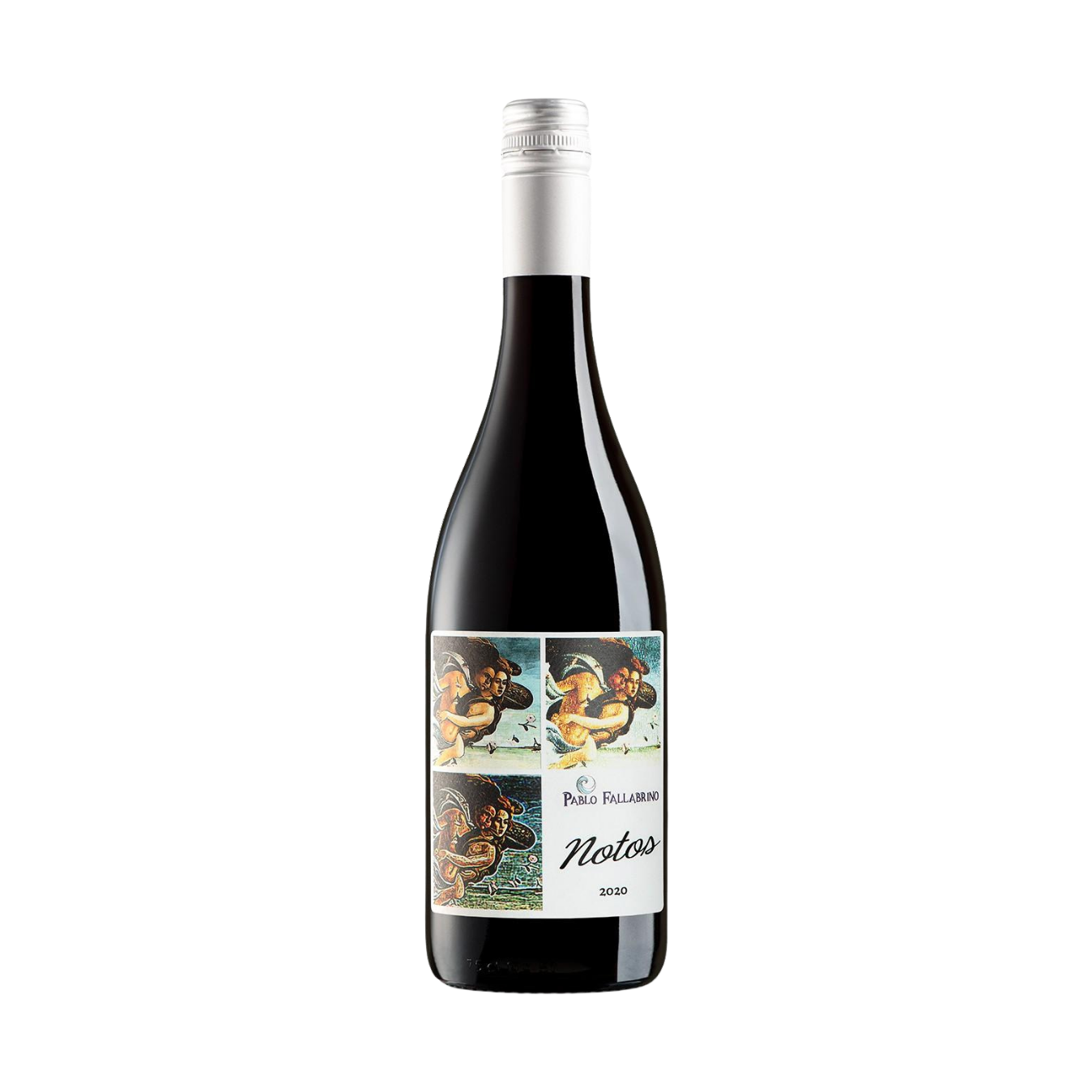
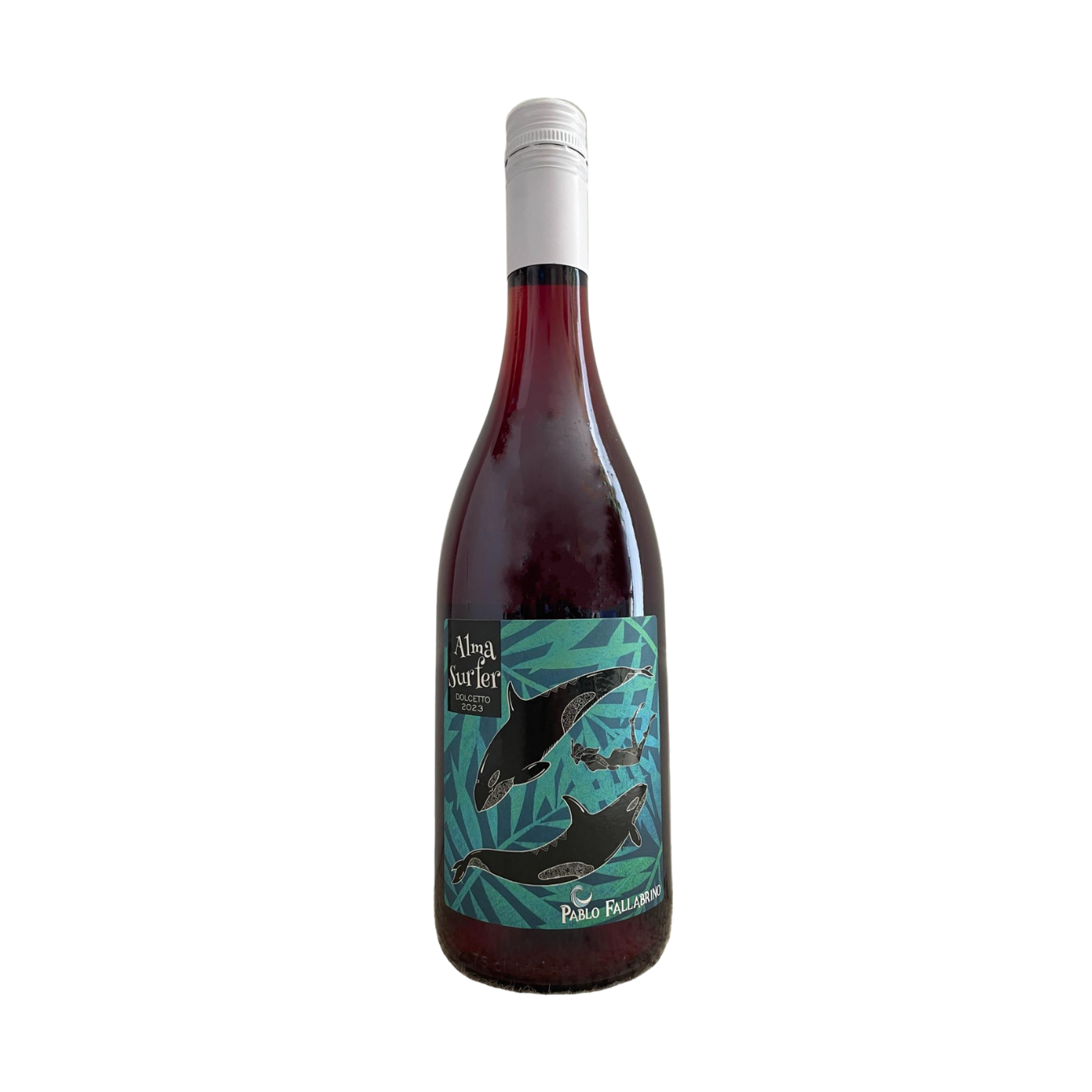
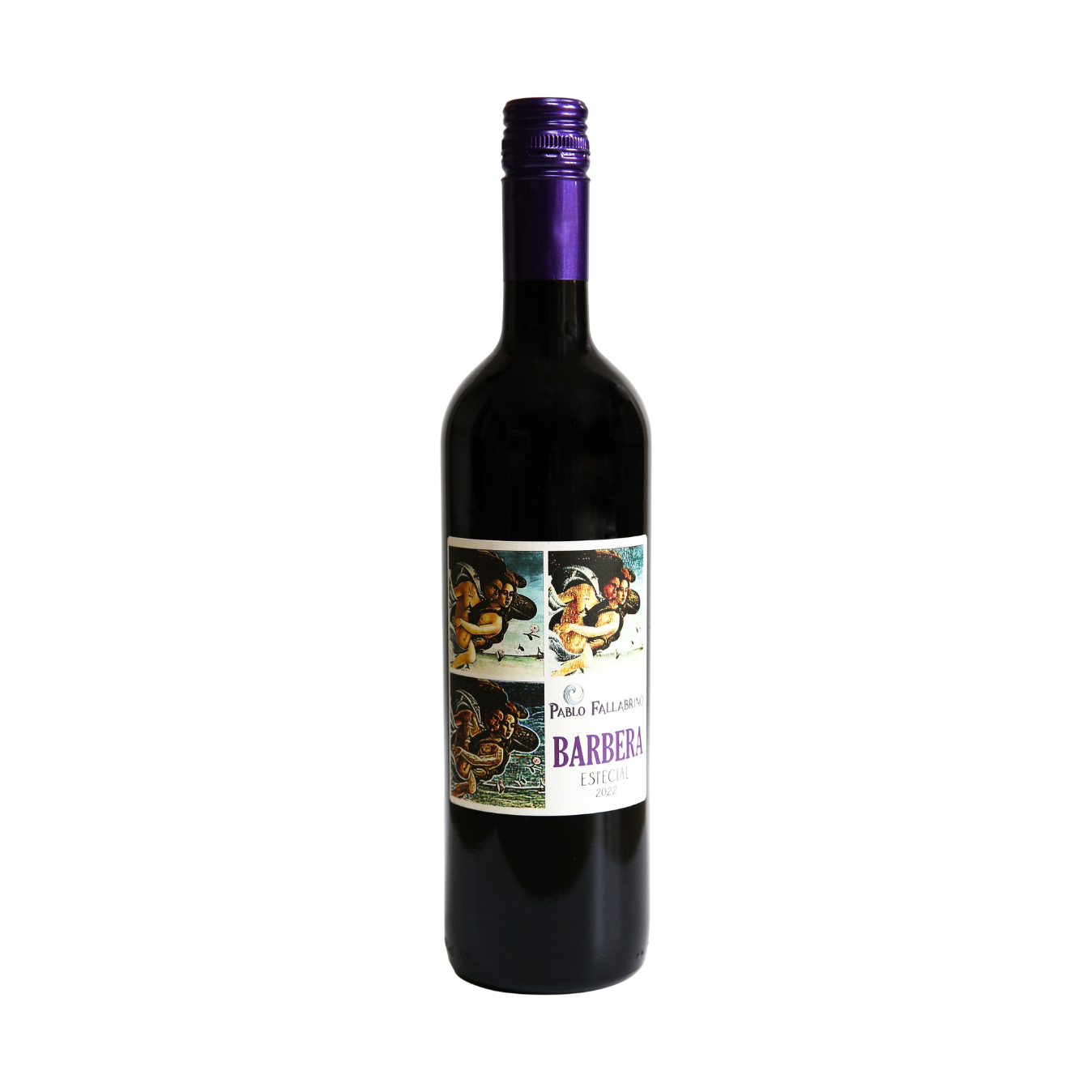
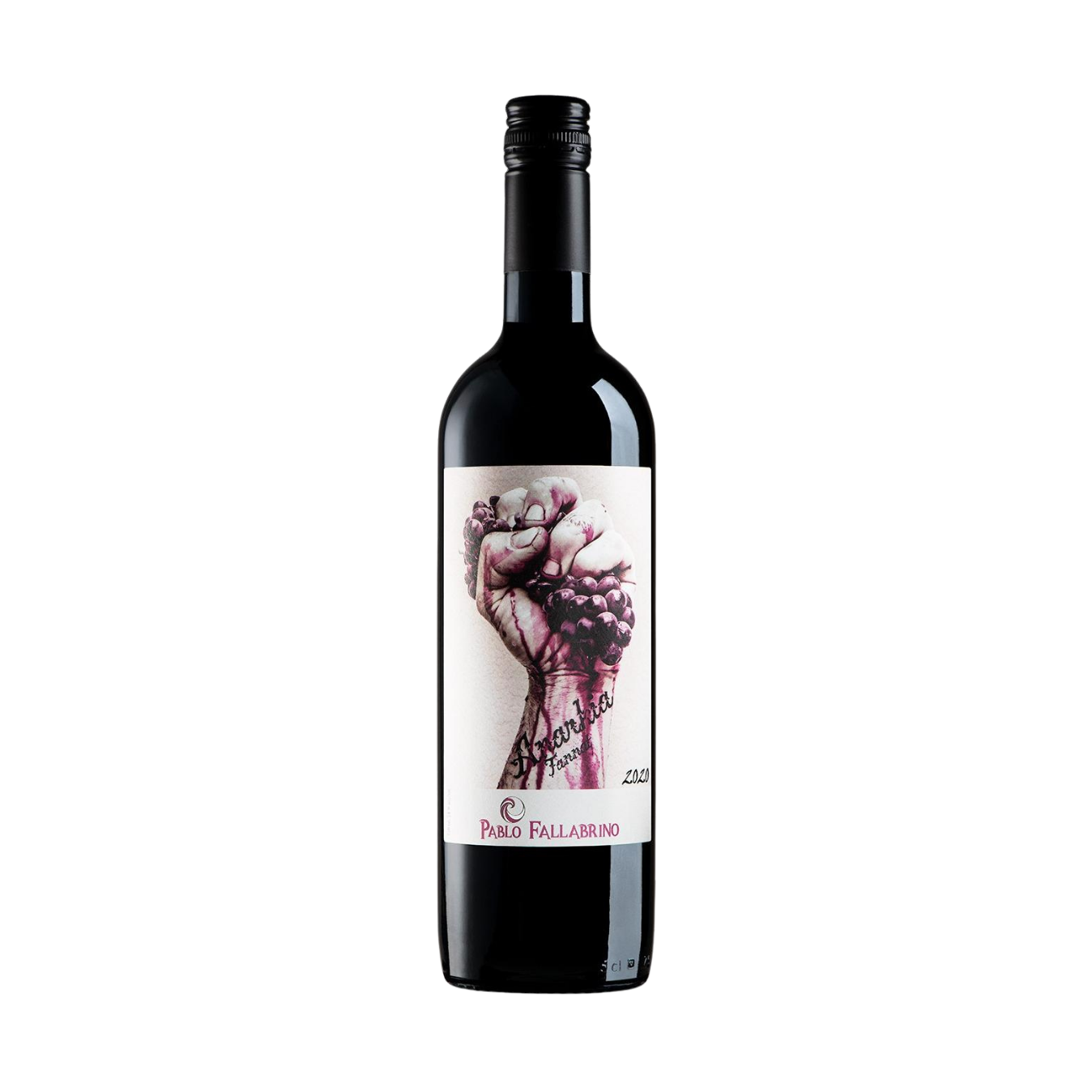
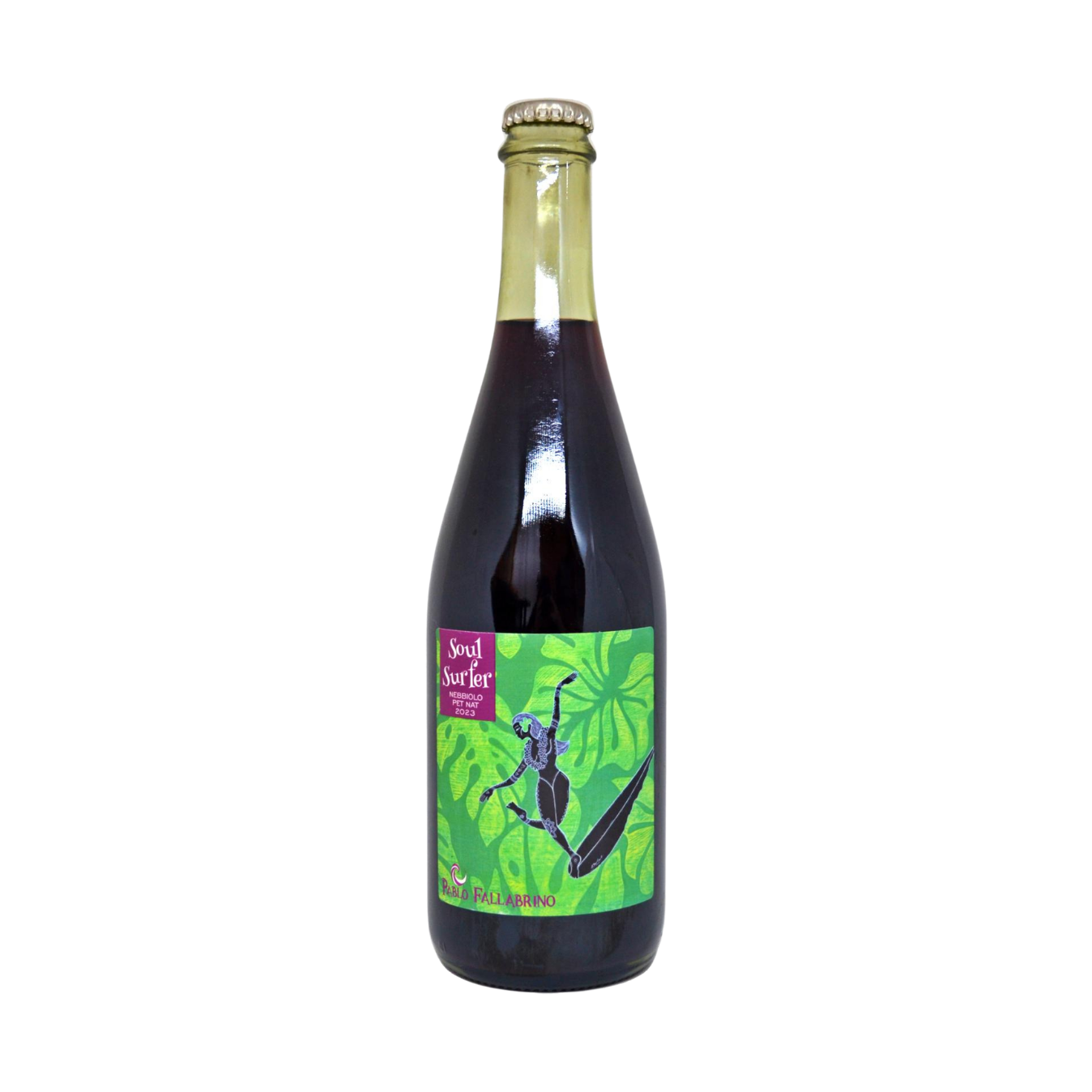
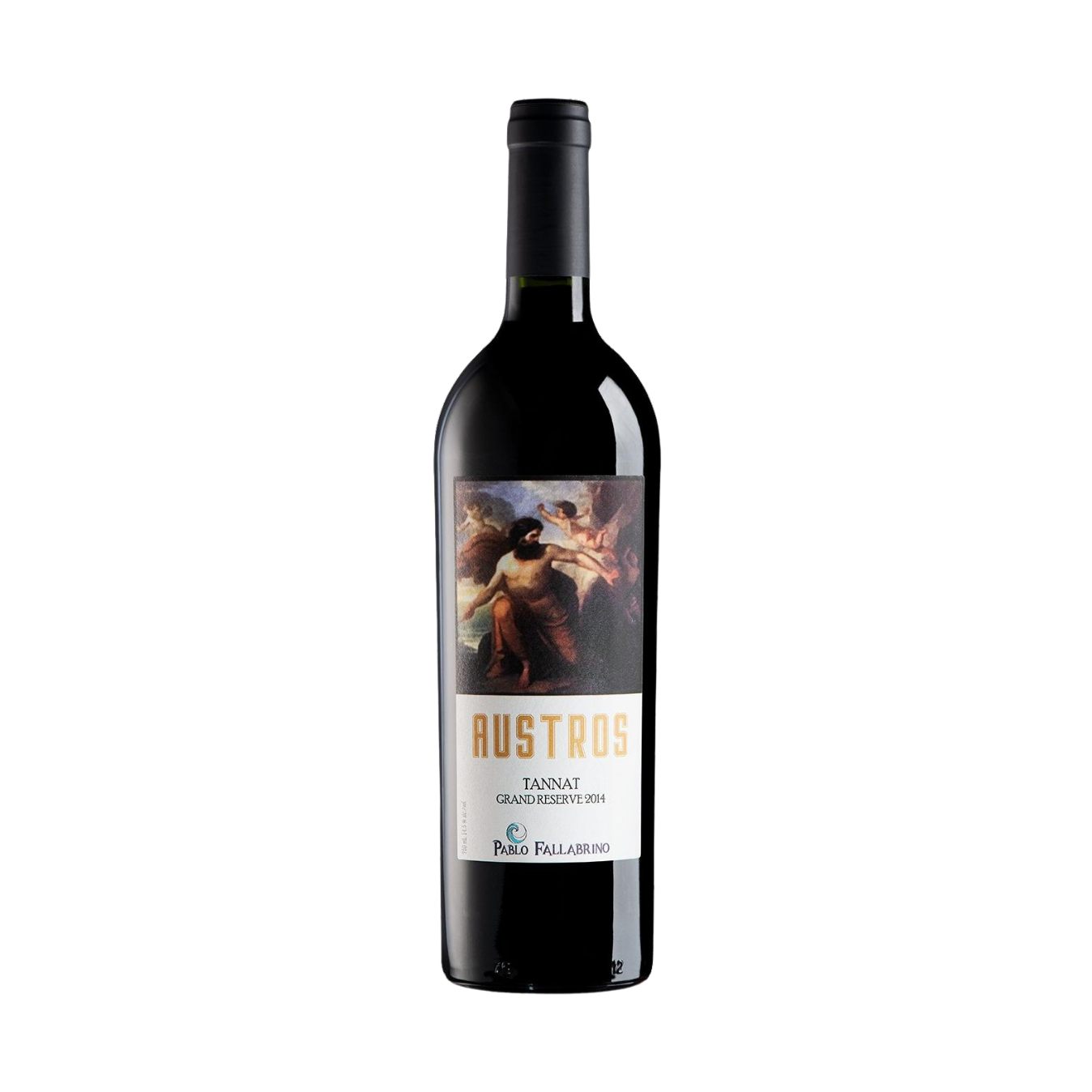
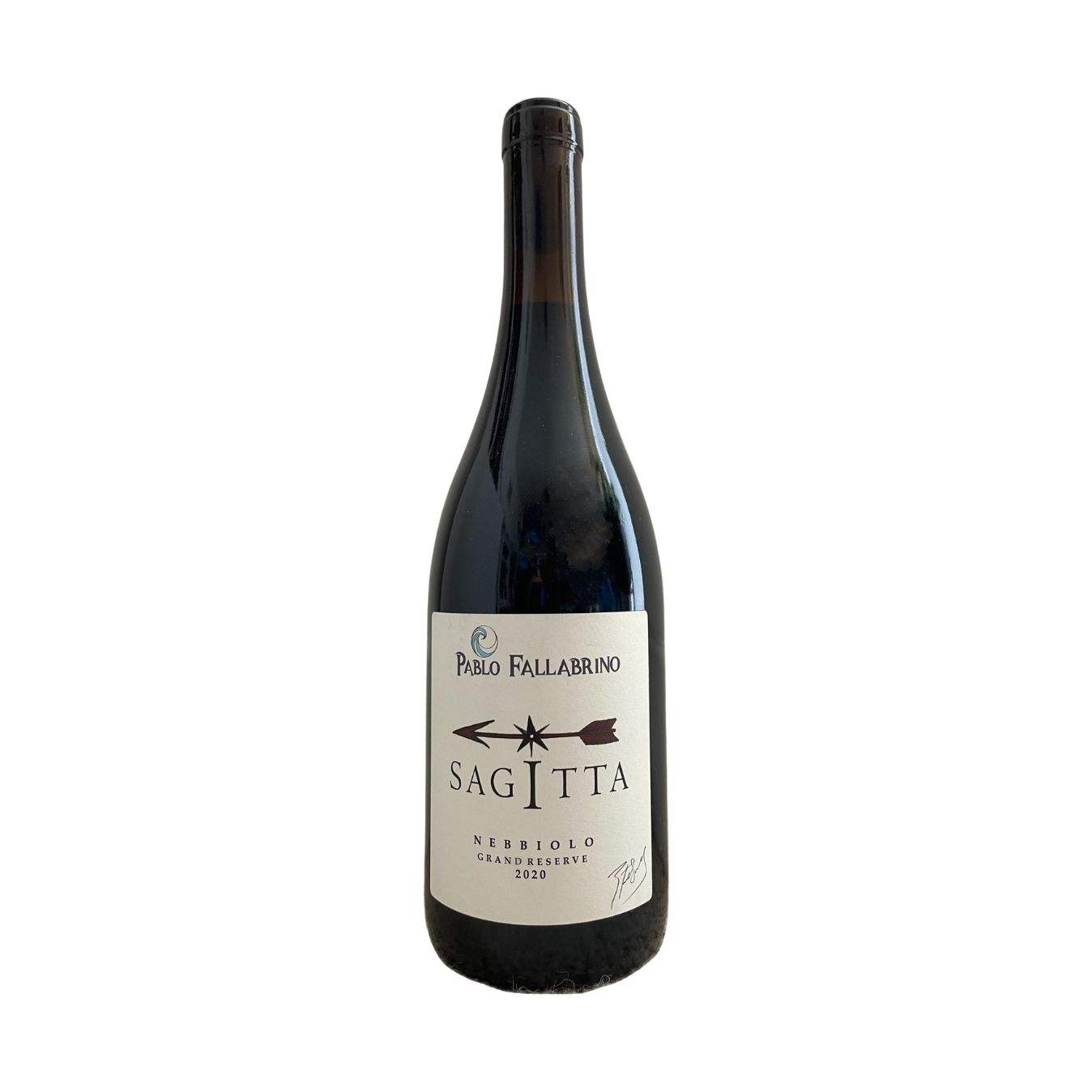
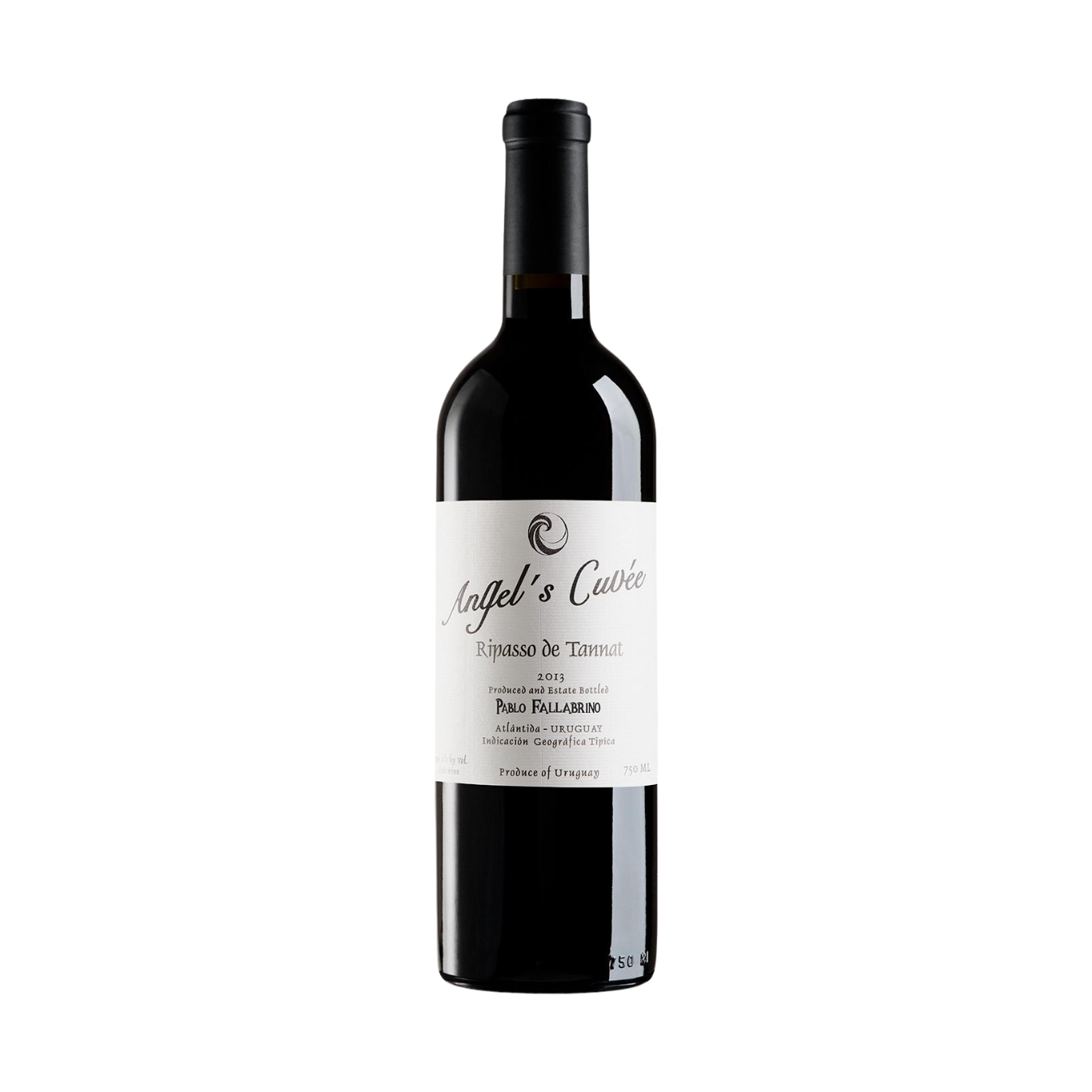
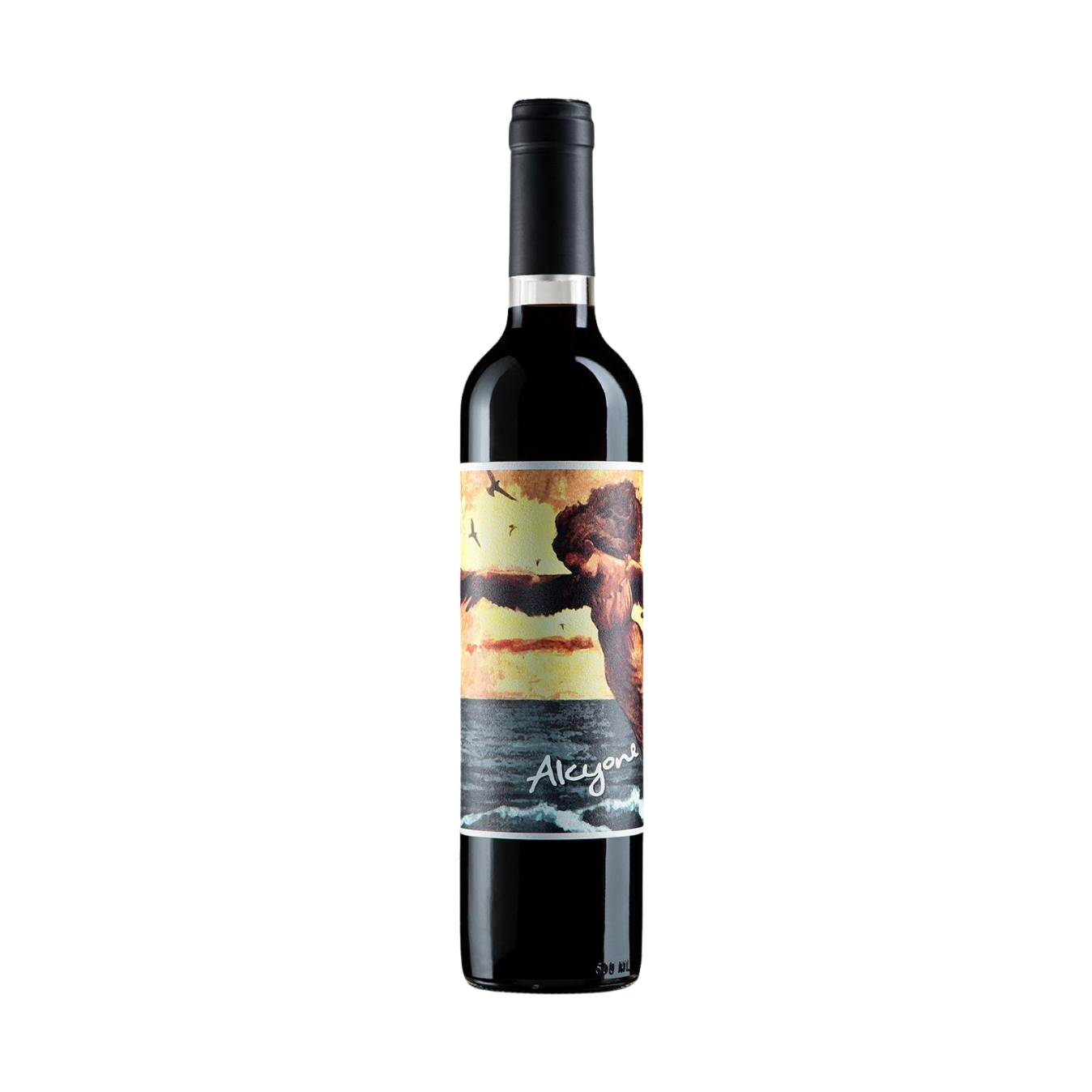
BODEGA PABLO FALLABRINO
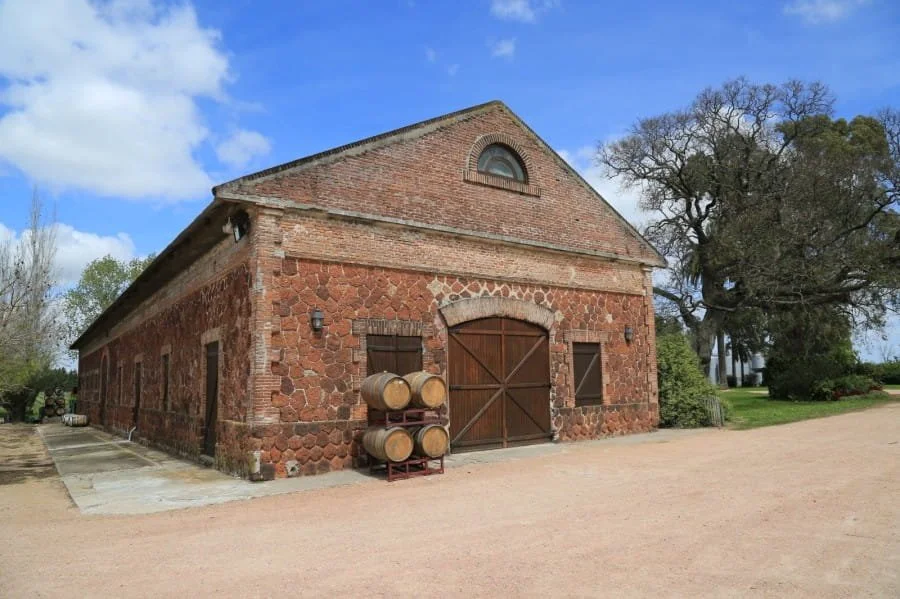
This small winery is located where the River Plate, the widest river in the world, meets the Atlantic Ocean.
This region provides clean cool ocean breezes and an ideal climate for the maturation of wine grapes.
With just 12 hectares under vine, they practice sustainable agriculture with no insecticides and only a very low grade fungicide to control downy mildew.
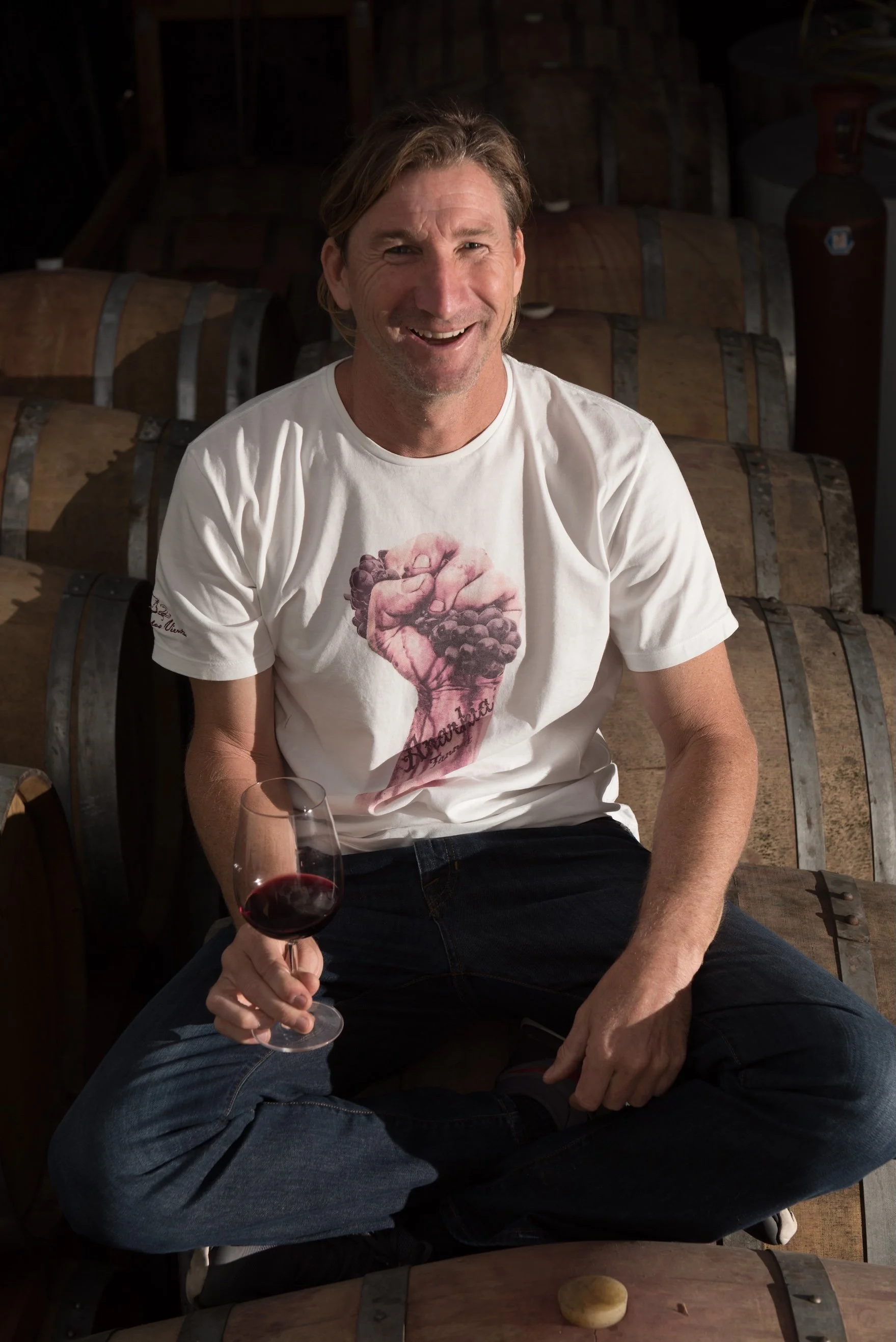
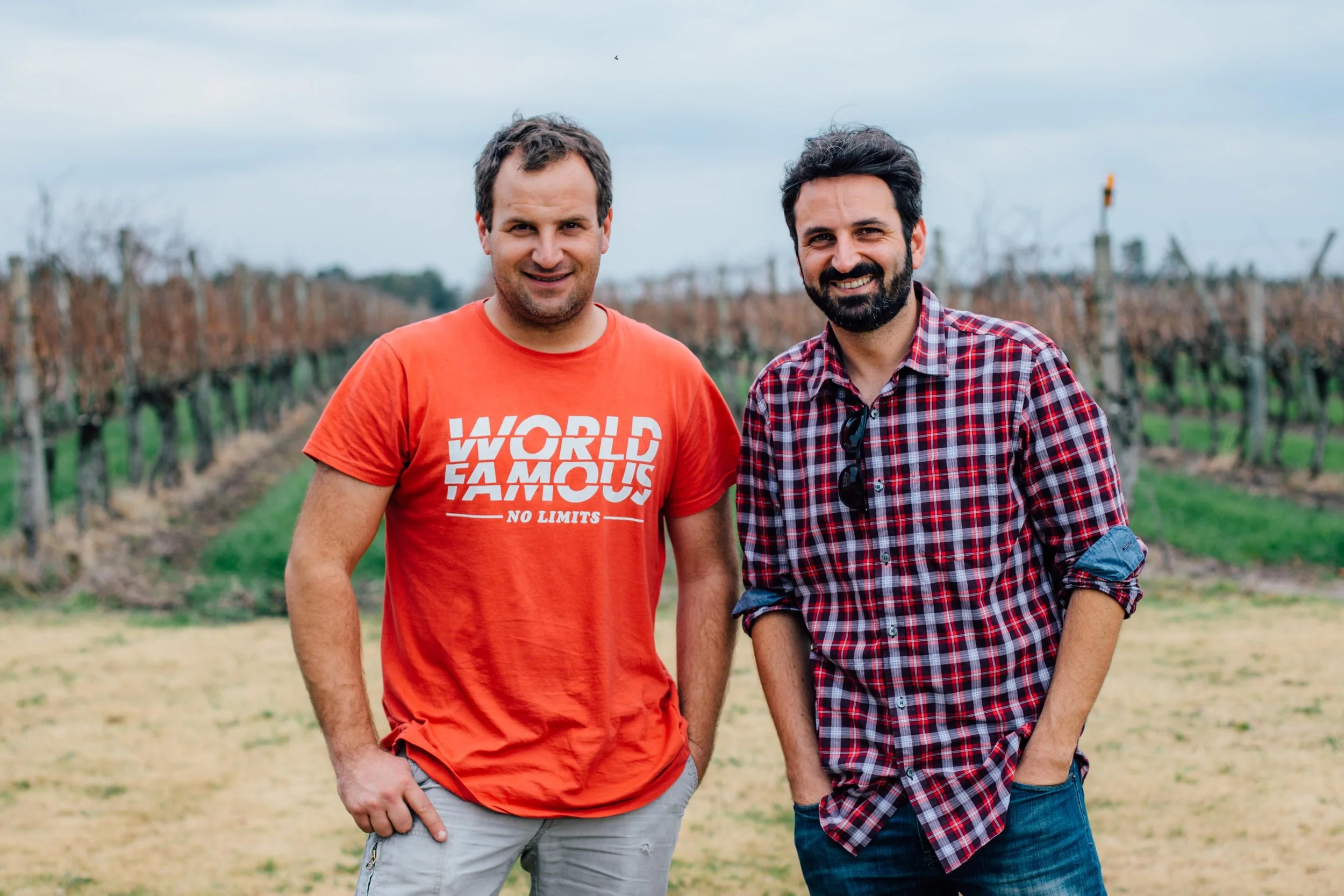
The winemaker, Pablo Fallabrino, a laid back good natured surfer, is the perfect catalyst to create a world class winery. His approach is not to over think the winemaking process; instead, he runs with his instincts, takes chances and makes extraordinary wines with his own personal signature.
WINEMAKER OF THE YEAR by Tim Atkin MW Uruguay report 2023.
-
![]()
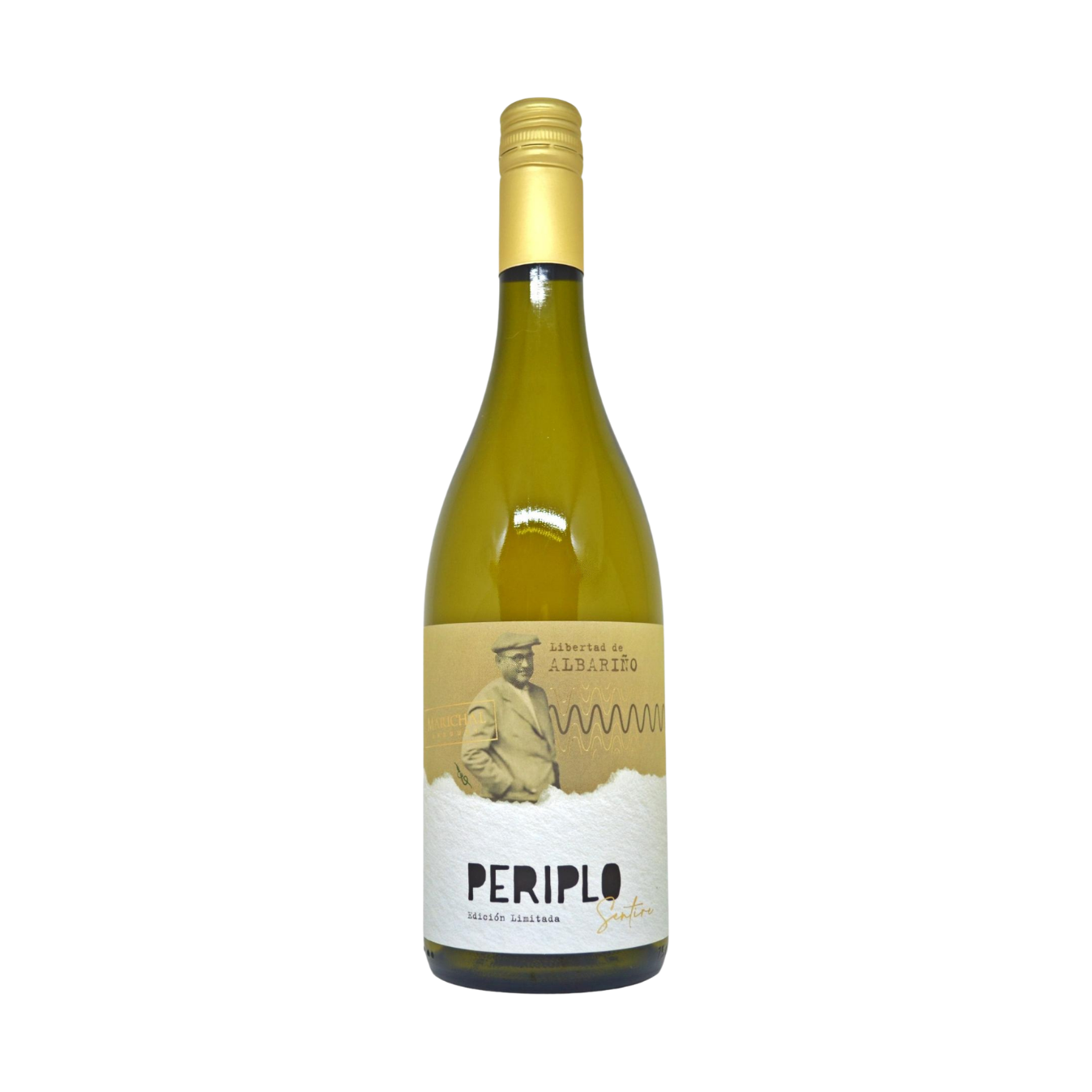
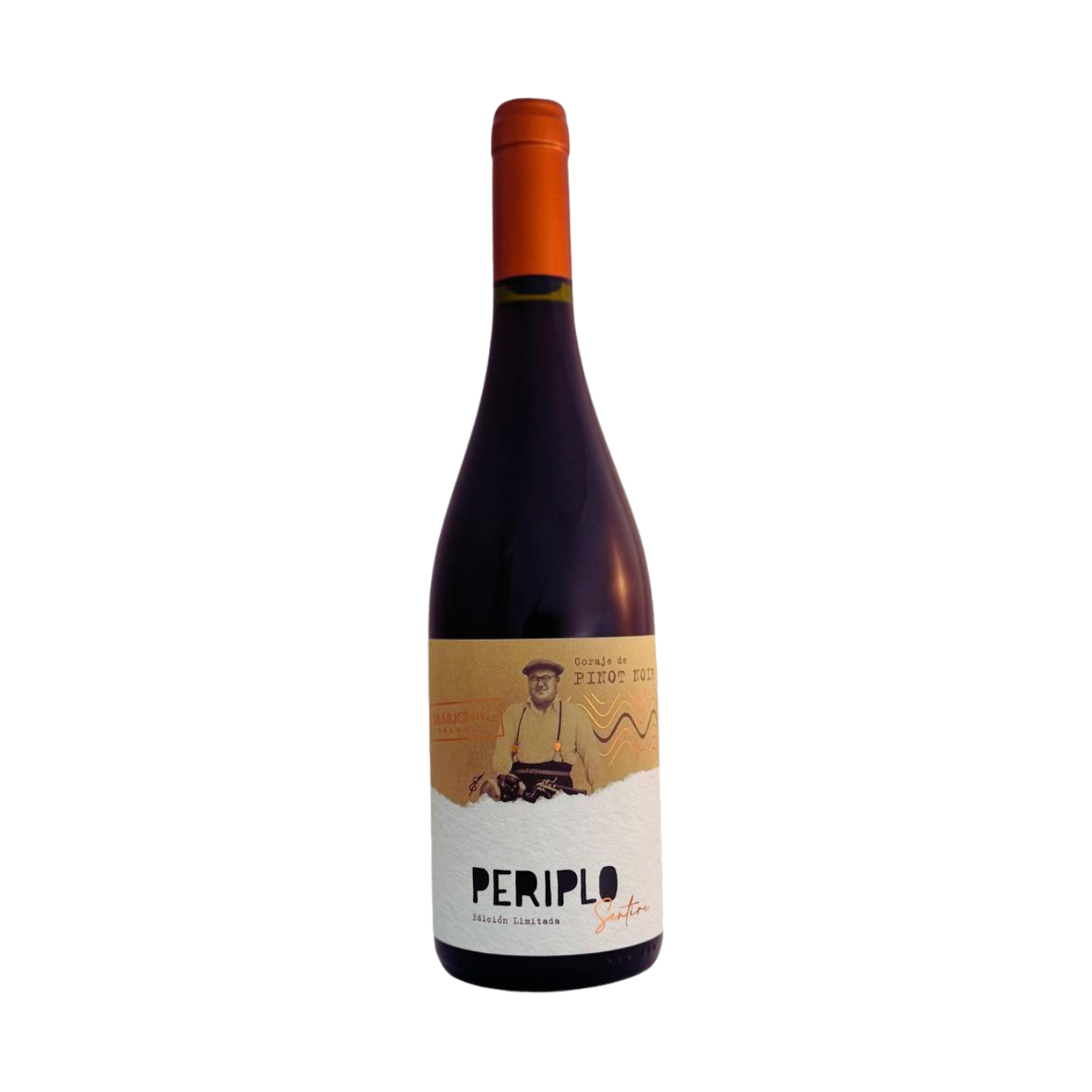
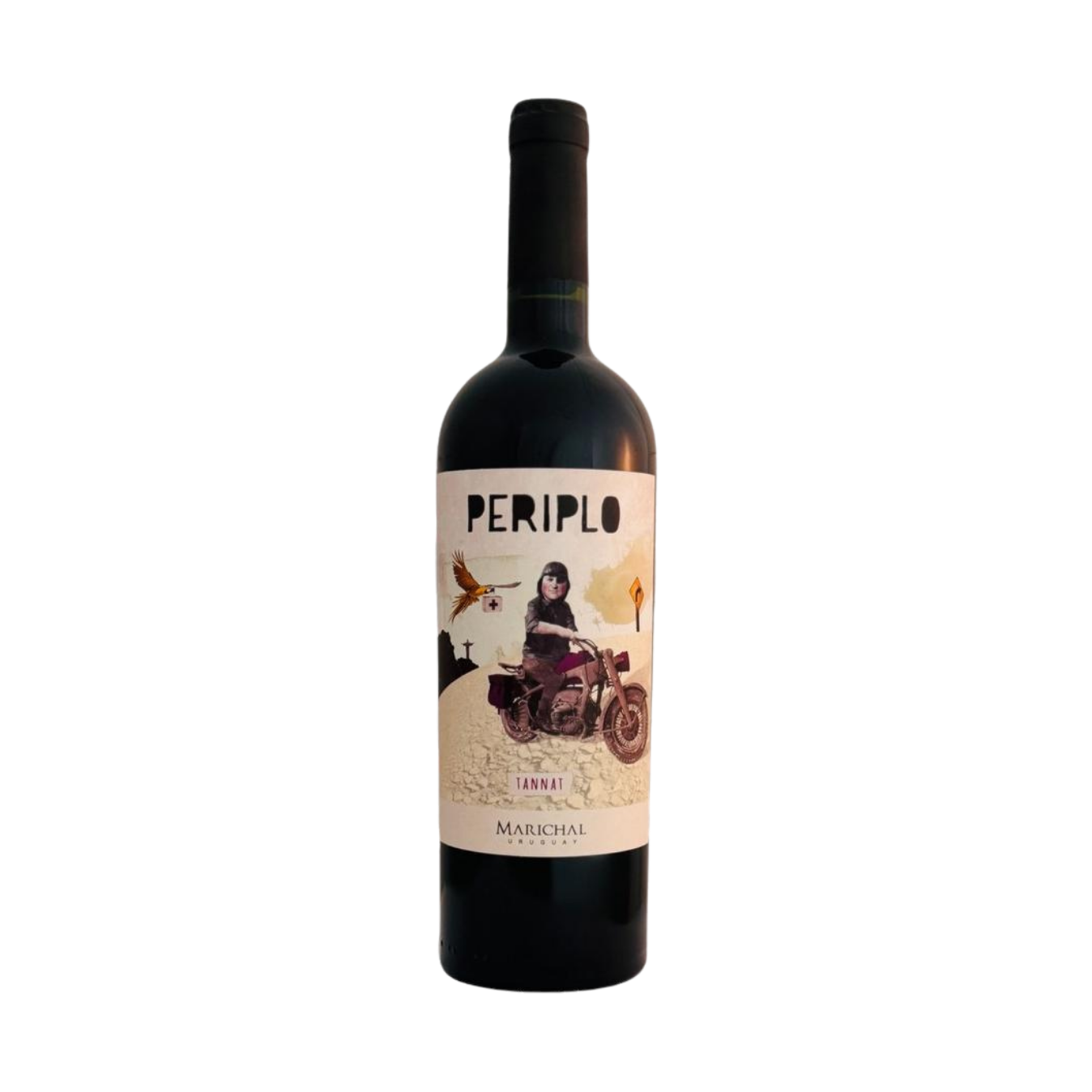
MARICHAL WINES
Four generations, one vineyard.
Marichal's story starts with two immigrant families — one from the Canary Islands, one from Italy — who put down roots in Etchevarría, Canelones, in the early 1900s. Their descendants have been making wine here ever since, now into a fourth generation, without ever moving the vineyard from the land where it began.The estate sits on rich clay-loam soils threaded with natural calcareous deposits, in one of Uruguay's most storied wine regions — cooled by breezes off the nearby Río de la Plata that keep the fruit fresh through the growing season.
What sets Marichal apart today is the balance they strike: classic, meticulous winemaking built on a century of family knowledge, paired with a genuine appetite to push forward. Their Creatura range is where that experimental streak shows through — a space for testing new ideas without losing the polish and precision the family is known for.
-
![]()
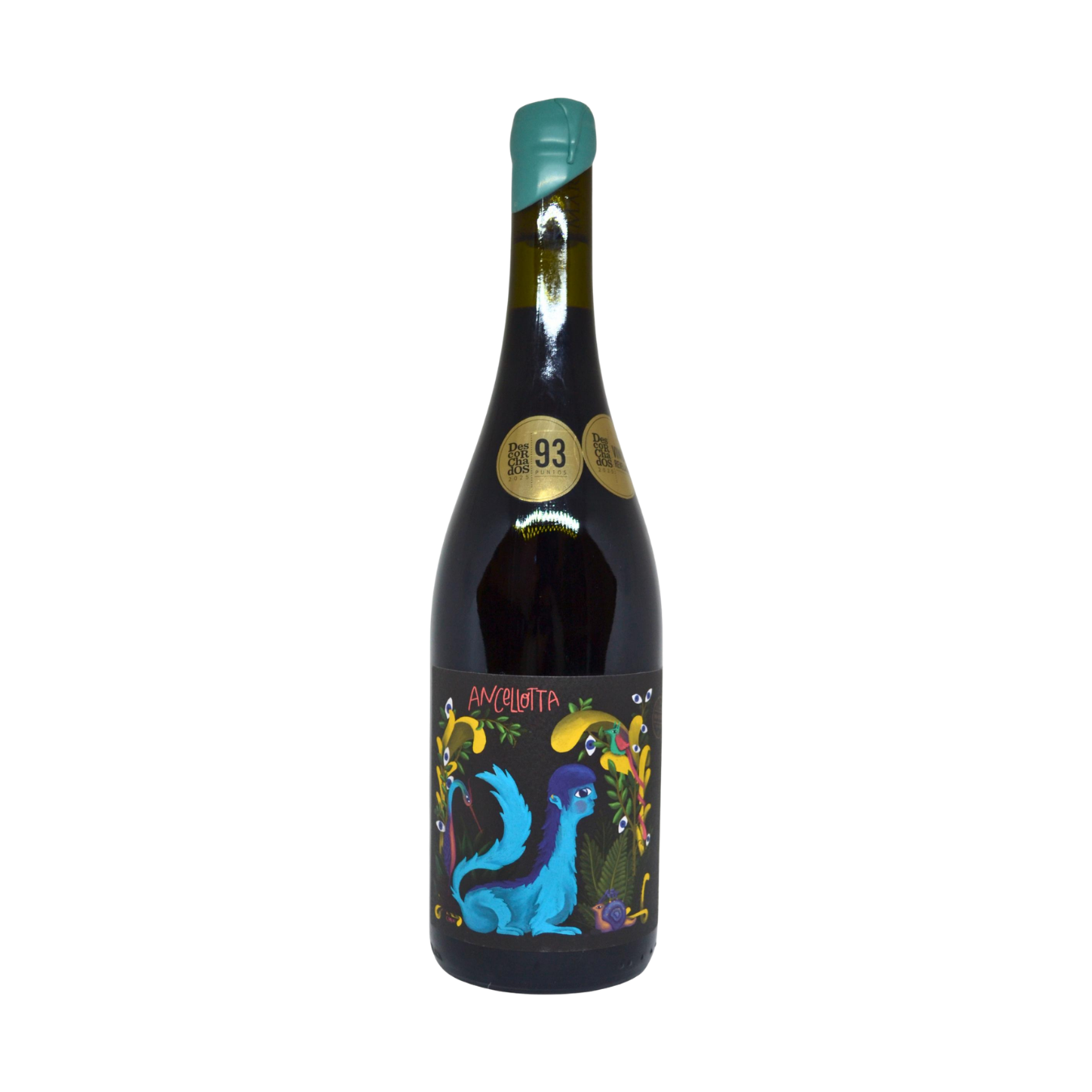
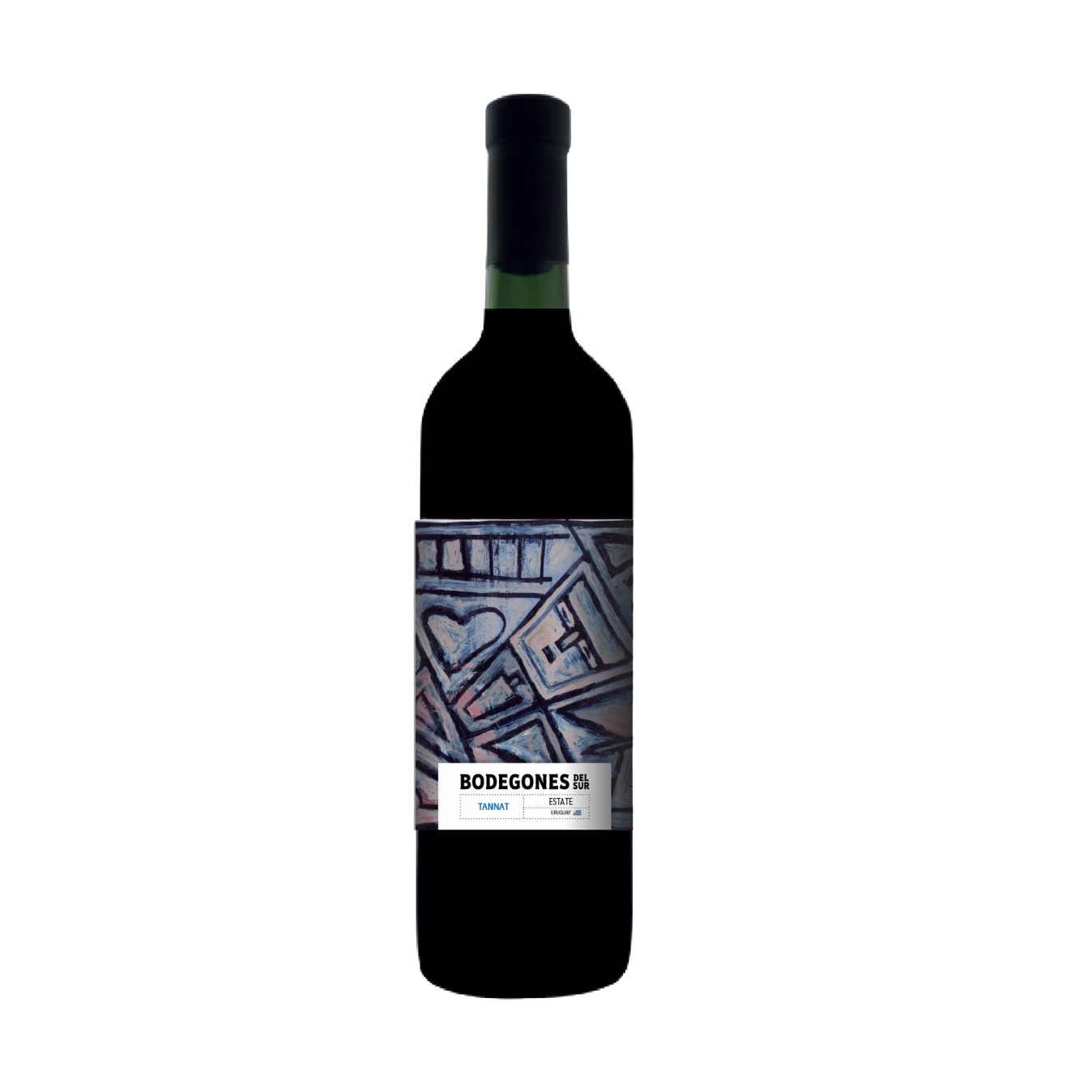
BODEGONES DEL SUR
One of the most prestigious and trailblazing producers in Uruguay today, combining both a long history and a groundbreaking approach to modern Uruguayan wine.
The cultivation system respects the environment by using the principles of organic farming, avoiding the use of chemicals, to achieve a natural balance in the ecosystem and thereby reduce human intervention.
-
![]()
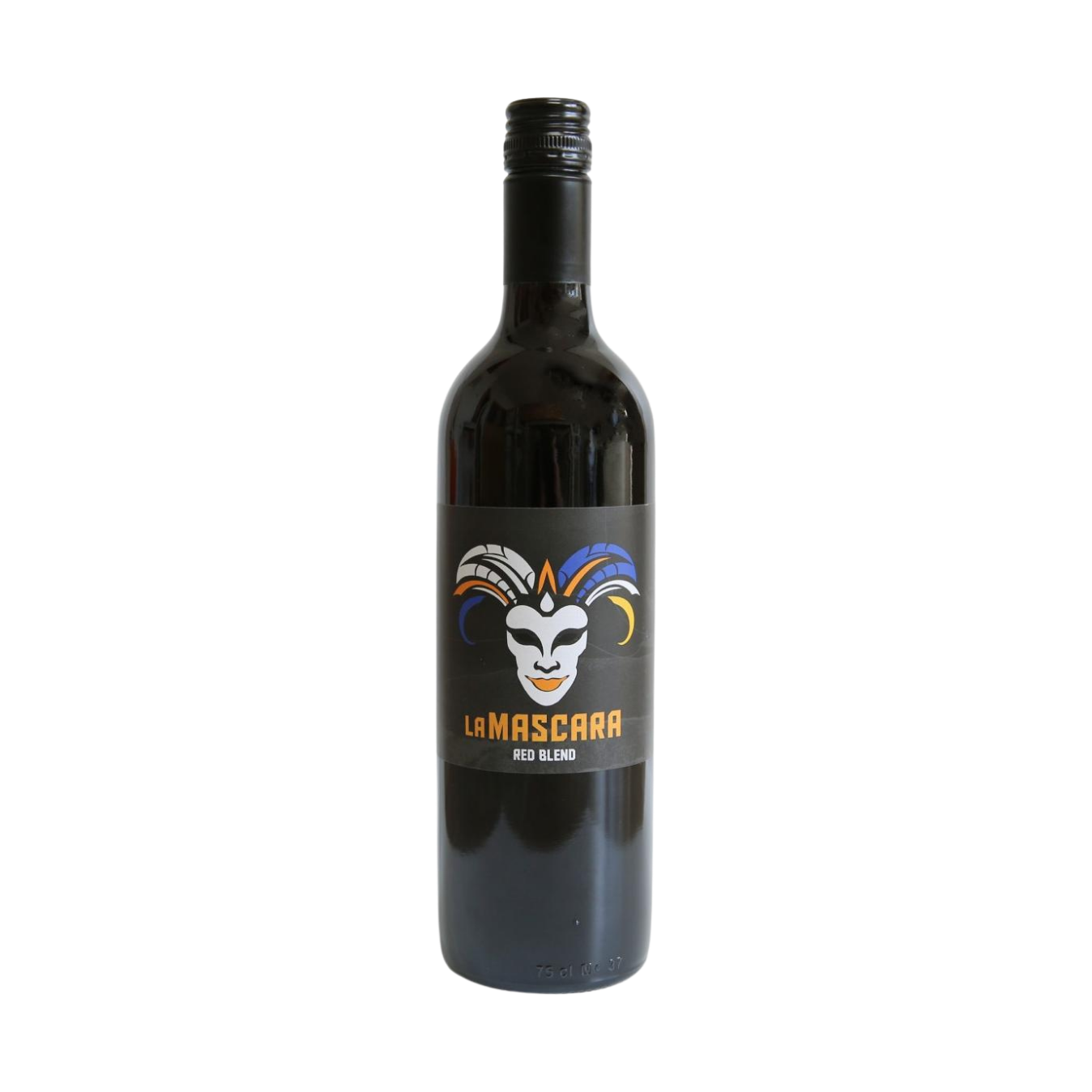
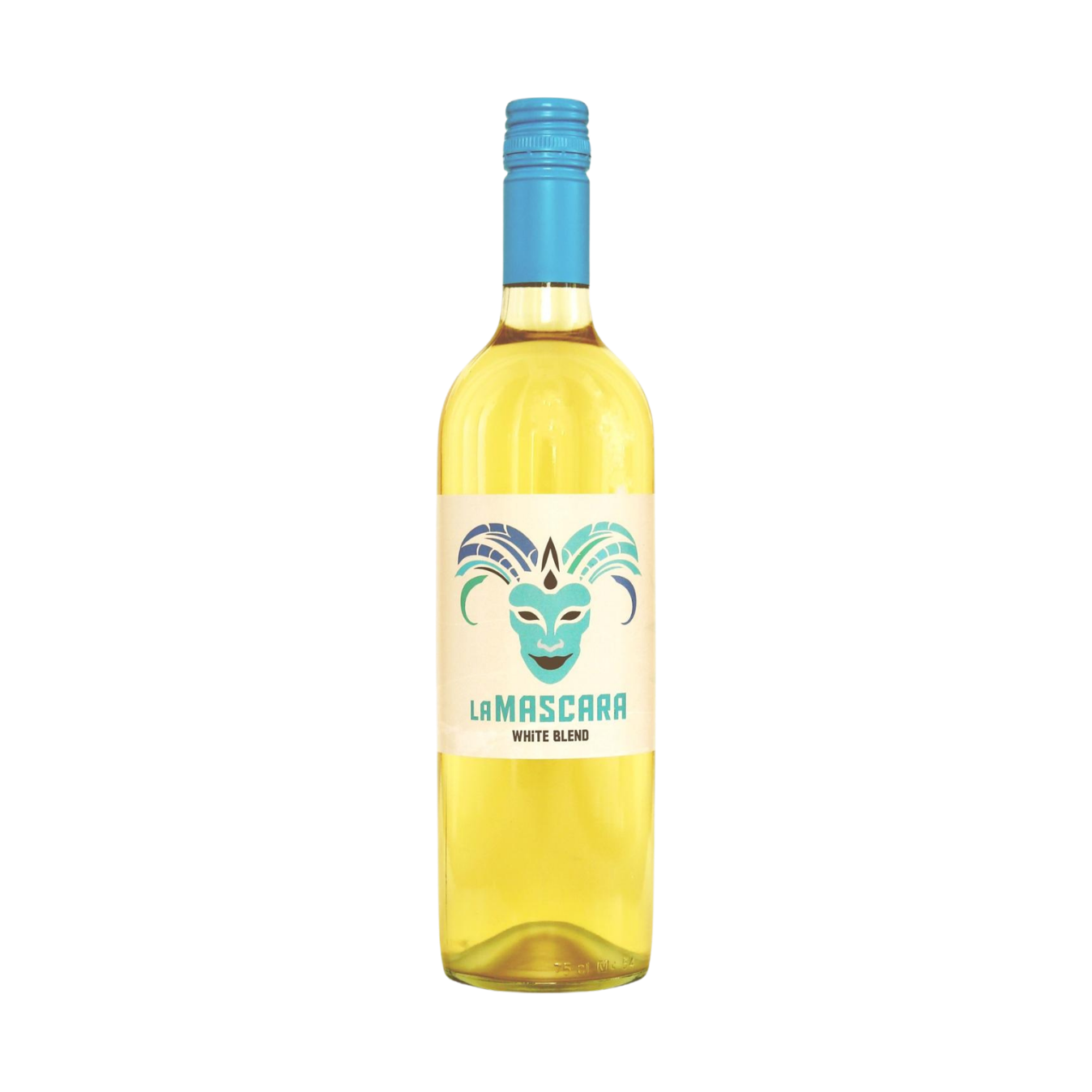
LA MÁSCARA
We bring our La Máscara label to Uruguay in collaboration with one of our favourite winemakers, Pablo Fallabrino, to craft two wines that capture the Atlantic essence of the Uruguayan coast. These wines are fun, vibrant, laid-back, and effortlessly enjoyable.

BODEGA PABLO FALLABRINO
—
BODEGA PABLO FALLABRINO —
MARICHAL WINES
—
MARICHAL WINES —
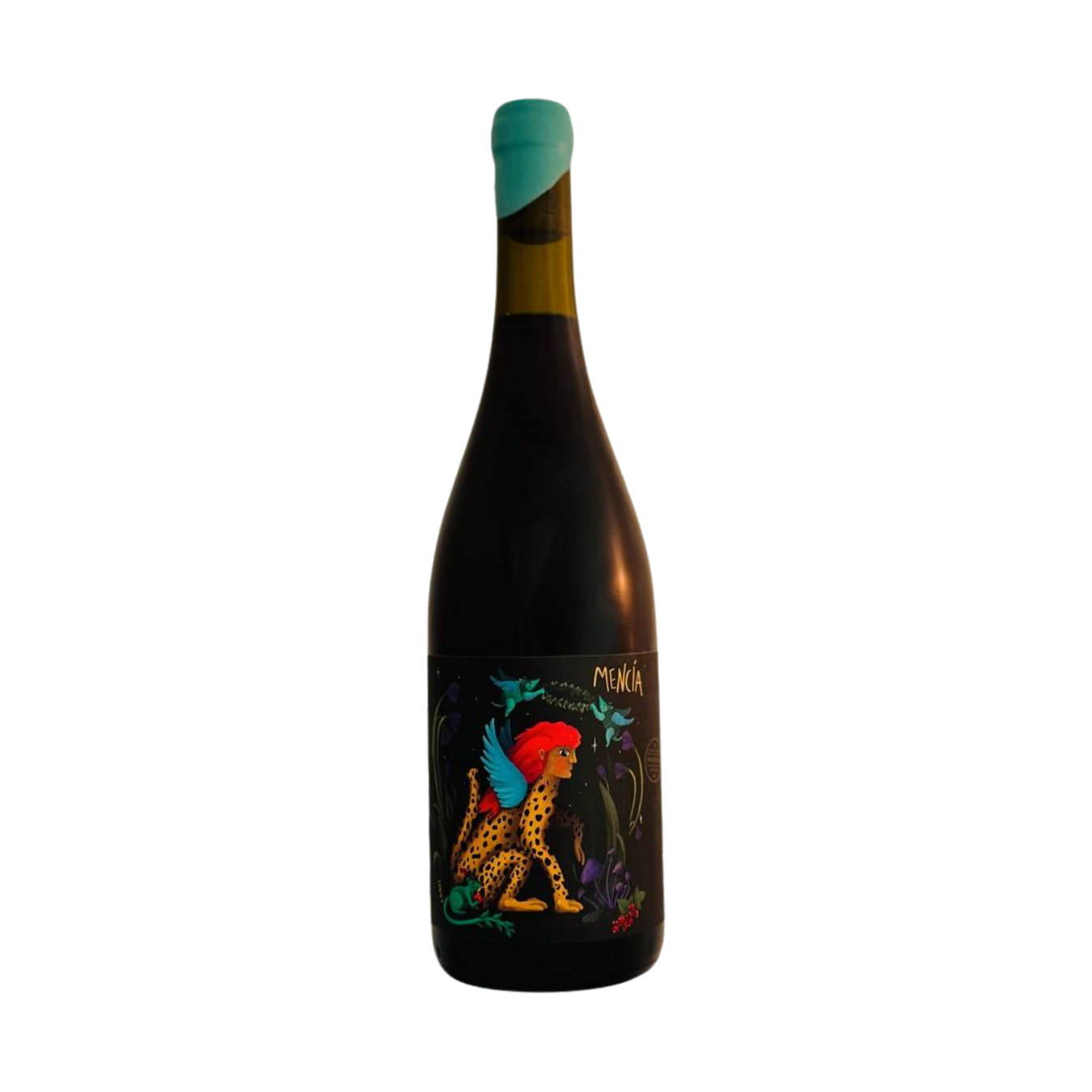
BODEGONES DEL SUR
—
BODEGONES DEL SUR —
LA MÁSCARA
—
LA MÁSCARA —